
By 1989, Linda Ronstadt had spent two decades shape-shifting through genres that would have broken lesser artists — country-rock, new wave, Broadway standards, mariachi — and surviving each turn not just intact but enlarged. Aaron Neville had been singing professionally since the early 1960s, carrying in his chest one of the most quietly devastating voices in American music, known to New Orleans and almost no one else.
Outside Louisiana, his name meant little beyond a 1967 R&B hit, “Tell It Like It Is,” that had grazed the national charts and faded. They had met in 1984 at a Neville Brothers gig, stumbled into some impromptu harmonies, and quietly filed the memory away. Then came Cry Like a Rainstorm, Howl Like the Wind — Ronstadt’s 1989 album, produced by her longtime collaborator Peter Asher — and a song brought to both of them by producer Steve Tyrell that had already lived several quiet lives before finding theirs.
>>> Scroll down for the video <<<
“Don’t Know Much” was written by Barry Mann, Cynthia Weil, and Tom Snow — Mann being one half of a husband-and-wife songwriting team responsible for a large swath of American pop’s emotional vocabulary. Mann had recorded it first, in 1980. Bill Medley tried it in 1981. Bette Midler gave it a go in 1983. The song grazed the lower end of the charts each time, attracted modest attention, and drifted. It was waiting.
What Two Voices Can Do That One Cannot
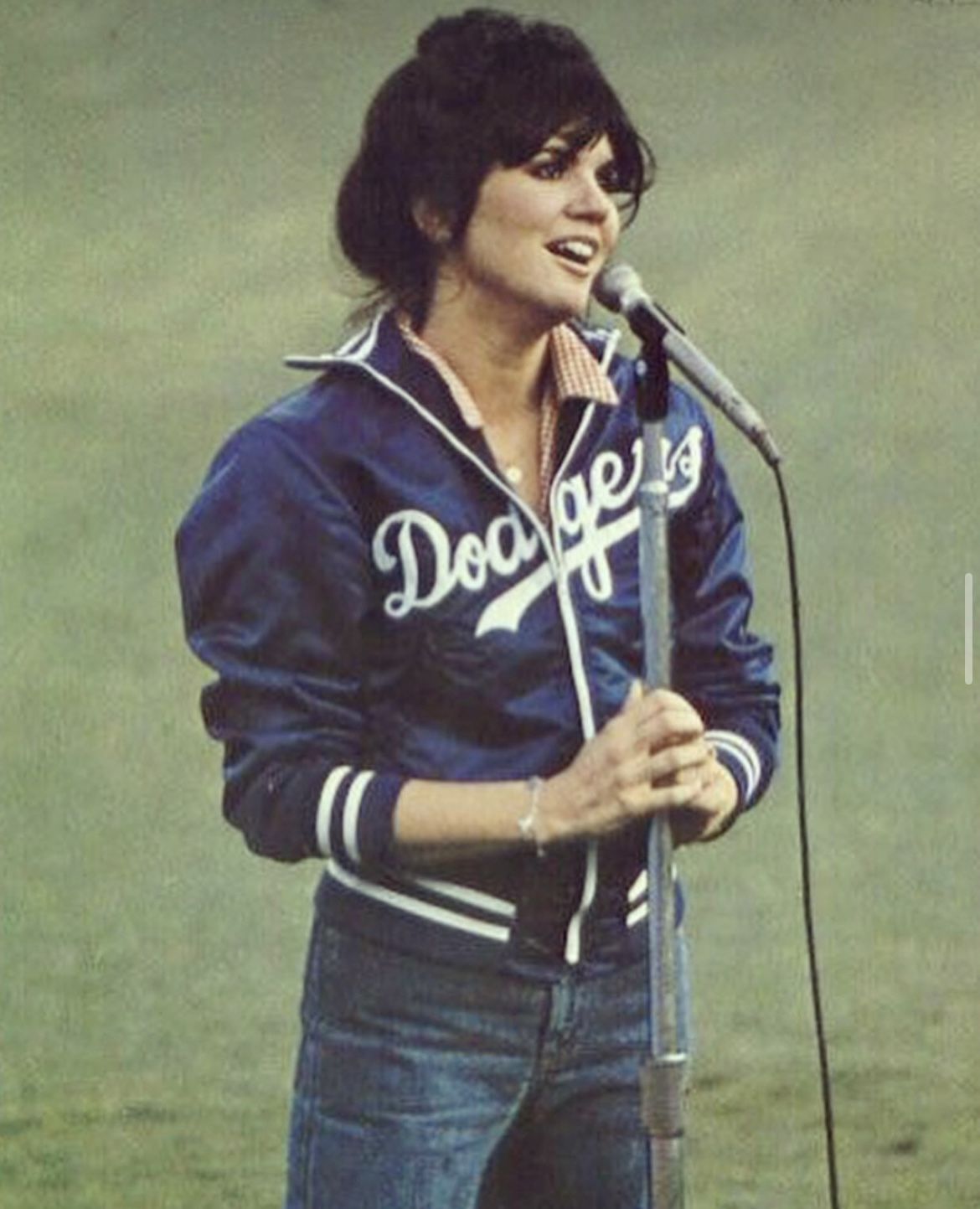
The genius of the Ronstadt-Neville recording is not that it is beautiful — though it is — but that it requires both of them equally. Remove one voice and the other loses half its meaning. This is rarer than it sounds. Most duets are conversations where one singer carries the argument and the other agrees. This one is a balance. Ronstadt brings her characteristic groundedness: a voice like warm light in a late-afternoon room, clear and without artifice, holding the lyric steady as if she has already thought it through and arrived somewhere true.
Neville arrives from another register entirely — not louder, not more technically decorated, but airborne in a way that seems to defy ordinary physics. His voice trembles at its edges, not from weakness but from a kind of tenderness so concentrated it can barely contain itself. Where she is earth, he is atmosphere. Where she settles, he rises. Together they make something that neither could make alone: a song about the disorientation of loving someone, held perfectly still.
Ronstadt once described her admiration for Neville’s voice to The Guardian in almost scholarly terms — tracing it back to French baroque opera imported into the American South in the eighteenth century, to the Creole tradition that shaped New Orleans. But the song doesn’t feel scholarly. It feels like two people in a quiet room at the end of a long day, confessing to each other that they don’t understand much about the world — history, geography, science, the whole bewildering catalog of human knowledge — but that they understand this. This one thing. It is a declaration of love that doubles as an admission of humility, and in Ronstadt and Neville’s hands, the humility is the romance.
What the Song Really Weighs
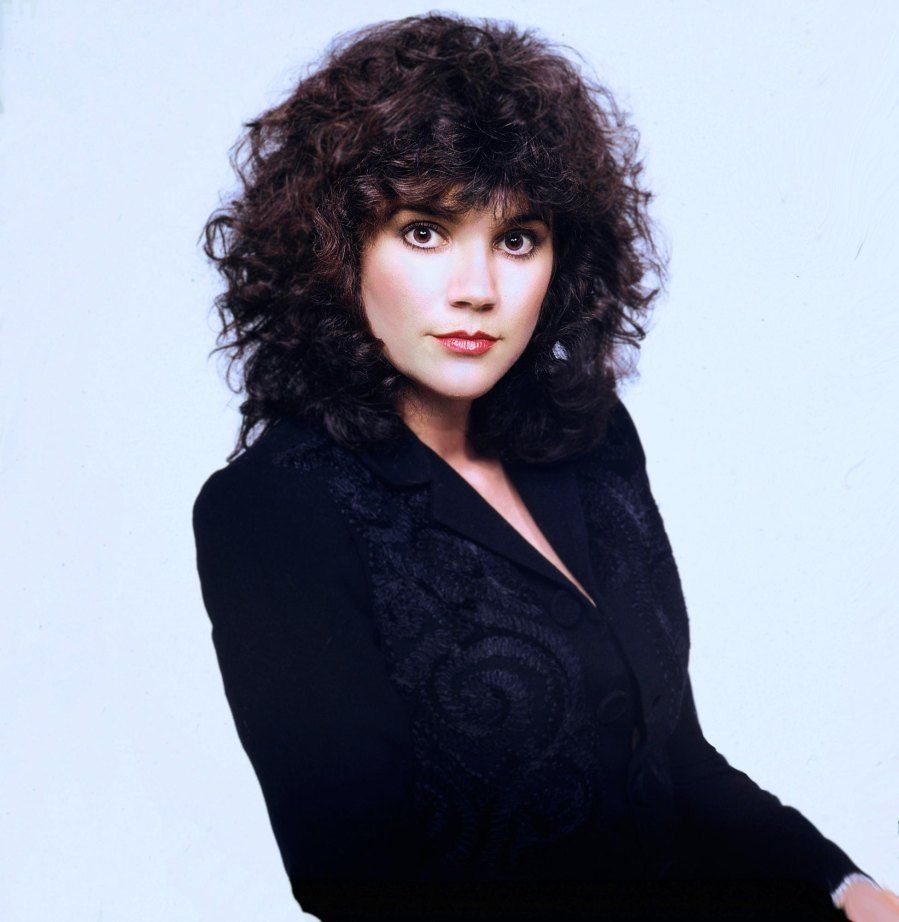
The lyric’s central move is its refusal to be impressive. It doesn’t claim victory over heartbreak or mastery of emotion. It catalogues ignorance. I don’t know much about history. I don’t know much biology. And then, quietly, the pivot: But I know I love you. And that may be all I need to know. In 1989, the radio was full of songs announcing themselves — big productions, big gestures, voices straining toward transcendence. This song did the opposite. It whispered. And the whisper carried further than the shouts.
The recording peaked at number two on the Billboard Hot 100 in December 1989, blocked from the top spot by Phil Collins’ “Another Day in Paradise.” It spent seven weeks at number one on the Adult Contemporary chart. It sold nearly a million copies in the United States alone, went gold, and topped charts in Ireland, Australia, and the United Kingdom.
At the 1990 Grammy Awards, Ronstadt and Neville won Best Pop Performance by a Duo or Group with Vocal, and the song was nominated for Song of the Year. It was Ronstadt’s tenth and final top-ten hit on the Hot 100 — a remarkable way to close a chapter. For Neville, it was the moment the rest of the country finally understood what New Orleans had always known.
The album it lives on, Cry Like a Rainstorm, Howl Like the Wind, eventually went triple platinum. But “Don’t Know Much” has outlasted the album in the way that certain songs do — less as a cultural artifact than as a feeling people return to when they need reminding of something specific. The way two voices can hold each other up. The way uncertainty and love are not opposites but neighbors. The way a song can say I don’t know anything and somehow, in saying it, know everything that matters.
There’s something that happens when the two voices finally meet in the chorus — when Ronstadt’s solidity and Neville’s shimmer arrive at the same note from different directions. It doesn’t announce itself. It just lands, quietly, the way recognition always does. Not like a revelation. Like something you already knew, finally put into words.

Hey readers! Chip Holland here, and I’m a Manager of this website. My passion for writing about it only matches my passion for BBQ. Follow my blog for mouth-watering recipes, tips, and tricks for the perfect smoke, grill, and BBQ. I’m sure you won’t be disappointed!