Buddy Holly and Jerry Allison wrote “That’ll Be the Day” in the summer of 1956, inspired by a John Wayne catchphrase from the film The Searchers. Wayne’s world-weary drawl — that’ll be the day — became the spine of something entirely different: a young man’s grin pointed straight at a lover who keeps threatening to leave. Holly re-recorded it at Norman Petty’s studio in Clovis, New Mexico, in February 1957, released it under the Crickets’ name on Brunswick Records to dodge a Decca contract, and watched it go to number one in the United States and the United Kingdom that fall. It was ranked number 39 on Rolling Stone’s list of the 500 Greatest Songs of All Time.
>>> Scroll down for the video <<<
The Beatles — still called the Quarrymen — made it the first song they ever cut to tape. Nearly twenty years later, Linda Ronstadt recorded her own version for Hasten Down the Wind, her 1976 Grammy Award-winning platinum album on Asylum Records, produced by Peter Asher. Her version reached number eleven on the Billboard Hot 100. And the argument began.
What Holly Built
The case for the original is not a sentimental one. Holly’s recording is not beloved because it is old — it is beloved because it is right. The whole thing tilts at a slight angle, like a photograph taken just a second before the subject laughs. His vocal skips between confidence and playfulness, never choosing one over the other. There is a looseness to the groove at Petty’s studio in Clovis, a feeling that the song could fall apart at any moment and is deliberately refusing to.
The lyric itself is pure switchblade charm — you say you’re gonna leave, you know it’s a lie — but Holly delivers it not as accusation but as delighted disbelief. He is not angry. He is almost amused. The emotional temperature is somewhere between a wink and a dare, and the performance holds that temperature perfectly for two and a half minutes. It never tips over. Holly was twenty years old. The economy of the thing is staggering.
What Ronstadt Did with It
The question is what a woman does with a lyric written from the opposite shore. The original’s speaker laughs at the idea of being left. Does that translate? Does it collapse into something unintended when the voice is no longer a boy’s? Ronstadt did not ask those questions quietly. She answered them by turning the volume up.
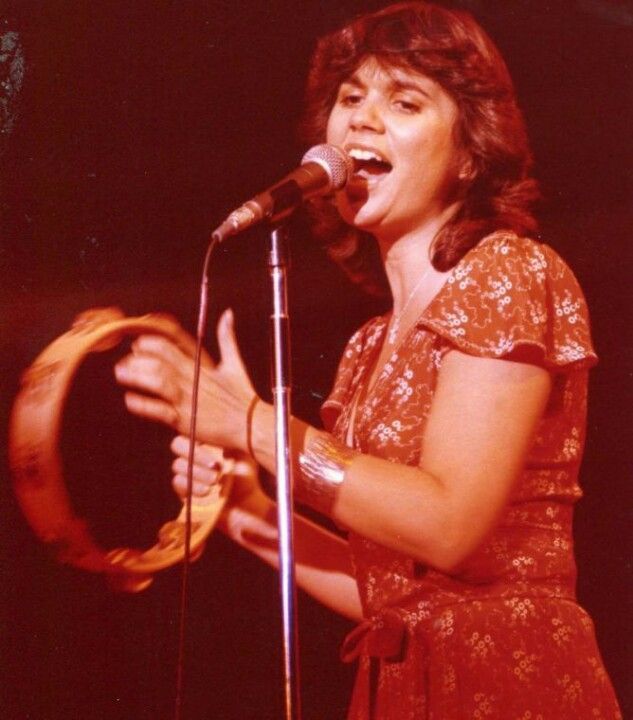
Her version, recorded with guitarist Waddy Wachtel and Andrew Gold — both of whom she filmed performing it live in Offenbach, Germany, during her 1976 tour — runs hotter than Holly’s by several degrees. The guitar work is louder, more insistent. The drums hit harder. She leans into the chorus like she has been waiting all week to say it.
Where Holly’s version floats on its own lightness, Ronstadt’s version drives. The confidence in her delivery is not borrowed — it is earned, placed down on the table without hesitation. The playfulness is still there, but under it there is something more grounded. Less of a dare, more of a statement of fact. That’ll be the day. Try me.
What she revealed in the lyric that Holly left half-lit is the song’s other side: its pleasure. Holly’s recording sounds like a boy who finds the whole situation funny. Ronstadt’s sounds like a woman who finds the whole situation fun. That distinction is small but it is everything. She is not mocking the threat — she is enjoying the song’s energy, the push and pull of it, the way a good argument between two people can carry its own heat.
Rolling Stone once noted that a whole generation, without Ronstadt, might never have discovered Buddy Holly at all. “That’ll Be the Day” is part of the reason why. She did not just cover it — she lit it up from inside, held a match to something that had already been glowing and made it visible to a new set of eyes.
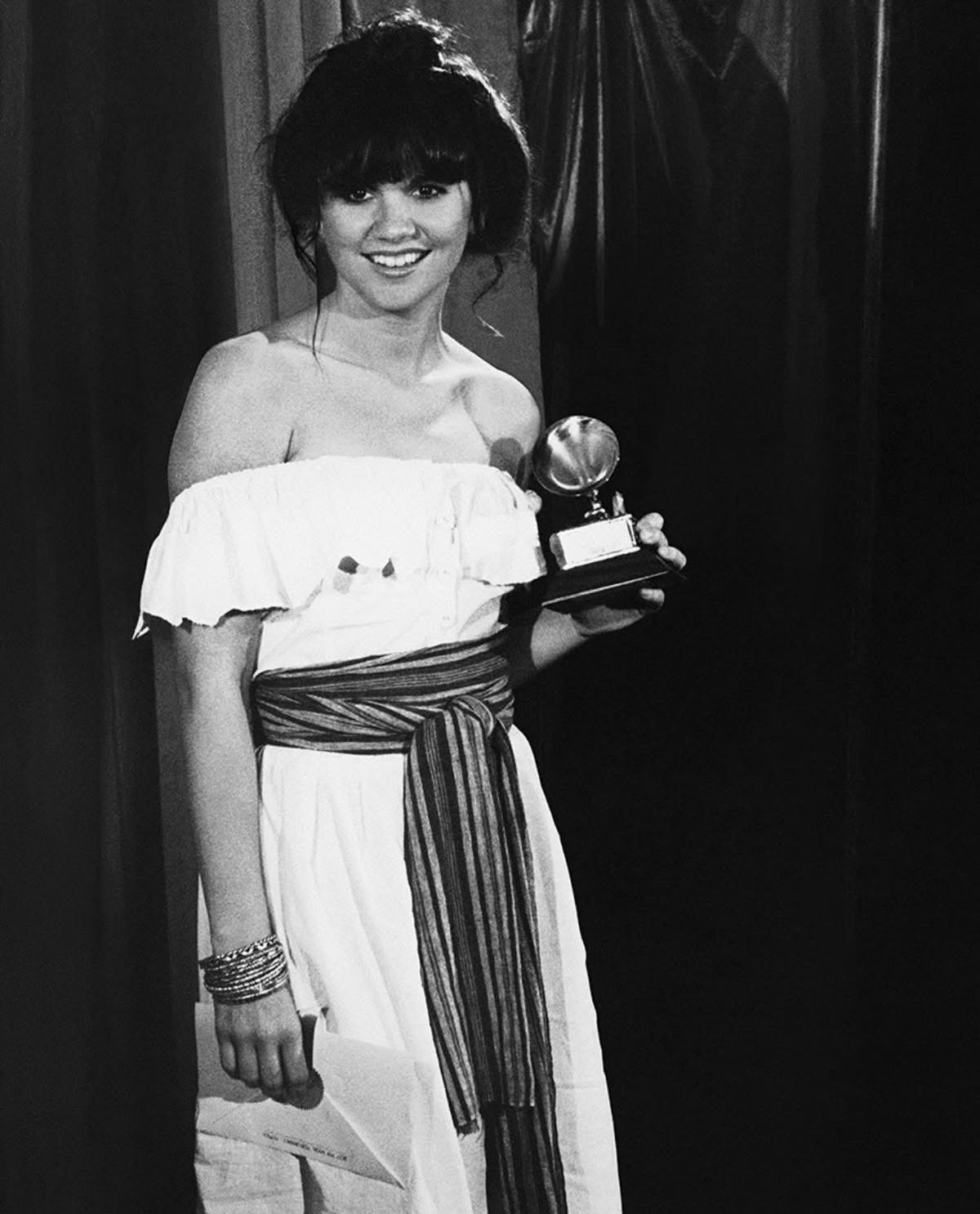
By 1976, Ronstadt was the most commercially successful female rock artist in America. Hasten Down the Wind spent several weeks in the top three of the Billboard album charts and was her third consecutive platinum record. Her version of “That’ll Be the Day” entered the Hot 100 on August 21, 1976, and climbed steadily to its peak. It was included on Linda Ronstadt’s Greatest Hits the same year, and was still being carried forward in 2011 when producer Peter Asher included her original 1976 recording on the tribute album Listen to Me: Buddy Holly.
Two Fires, Same Match
Holly’s version did not need rescuing. It was already lodged in the walls of American music. What Ronstadt’s cover did was something subtler — it showed the song’s flexibility, demonstrated that the lyric’s particular bravado was not gender-specific, that the confidence Holly wore like a loose jacket fit just as well on someone else. Each version illuminates the other. Hearing Holly after Ronstadt, you notice the delicacy more. Hearing Ronstadt after Holly, you feel the propulsion more.
The argument about which is better may never close, and that is probably the right outcome. Some songs are large enough to hold two great performances the way a room can hold two separate conversations — both fully alive, neither diminishing the other. “That’ll Be the Day” is one of those songs. Holly found something true in it in 1957. Ronstadt found a different true thing in 1976. Between the two of them, the song became bigger than either version alone. That’s not a verdict. That’s just what happens when something is built to last — it makes room.
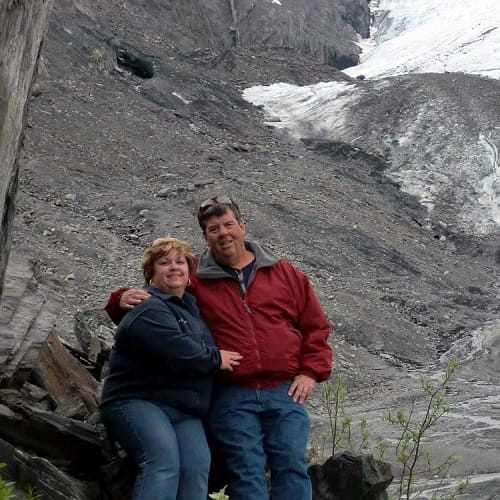
Hey readers! Chip Holland here, and I’m a Manager of this website. My passion for writing about it only matches my passion for BBQ. Follow my blog for mouth-watering recipes, tips, and tricks for the perfect smoke, grill, and BBQ. I’m sure you won’t be disappointed!