
J.D. Souther wrote “Faithless Love” while living with Ronstadt in Beachwood Canyon — the same interlocking world of relationships, collaborations, and creative debts that would produce the Eagles, half of the decade’s great California rock, and enough material for a very long novel. Souther was already one of the scene’s quiet architects: he co-wrote some of the Eagles’ biggest songs, contributed to Ronstadt’s previous albums, and carried the reputation of a man who gave away better songs than most people ever wrote.
>>> Scroll down for the video <<<
He was working on this one slowly, in a back room, when Ronstadt overheard a fragment. She told him it was beautiful and that she wanted to record it. He recalled the moment with visible pleasure: “Linda came down the hall and said, ‘Well, that’s really beautiful. What is it?’ I said, ‘I don’t know… I’m just working on it.’ She said, ‘I love it, I’d love to record it.’ So I finished it quickly… I was really excited at the idea of her recording that song.” The song arrived, then, as a gift — finished in a rush because someone heard what it could be before it was fully itself. That origin has texture to it. Two people in a house together, one of them listening at a door.
The recording features Souther on acoustic guitar and harmony vocals, banjoist Herb Pedersen adding a thread of something older and quieter underneath, bassist Chris Ethridge and multi-instrumentalist Andrew Gold filling out the frame. Peter Asher kept it spare. The arrangement doesn’t push. It breathes.
What the Voice Does
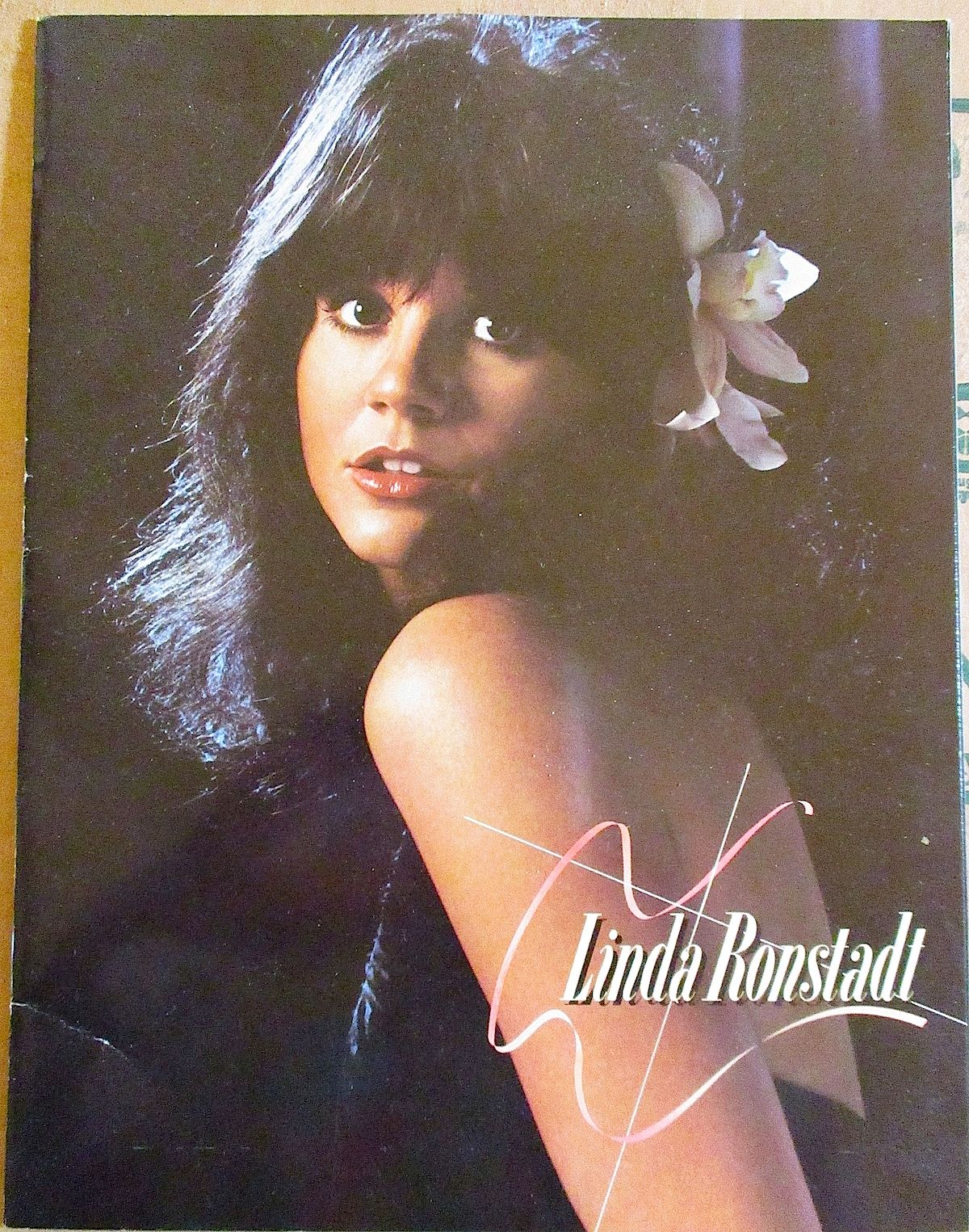
There is a particular kind of grief that has stopped its own crying. It has moved past the stage where it begs or argues, past the outrage and the bargaining. It has settled into something quieter and, in its own way, more devastating — the acceptance of a thing that was beautiful and is now exactly what the lyric says it is. That’s where Ronstadt lives on this recording. Her voice sits low in the room. It doesn’t reach. It doesn’t perform its sadness for the back row. It simply tells you what happened.
The lyric offers images rather than explanations. Faithless love like a river flows / Like raindrops falling on a broken rose / Down in some valley where nobody goes. These aren’t metaphors that explain — they’re landscapes the emotion has already become. Ronstadt treats them that way.
When she sings faithless love has found me / thrown its chilly arms around me, the line lands not like a complaint but like a report from someone already deep in the cold. What she does with her voice here is hold two things at once: the warmth of the woman and the cold of the circumstance. The tension between those two things is where the song actually lives.
Ronstadt’s superpower — and she had it more fully on Heart Like a Wheel than anywhere before — was the ability to make someone else’s experience feel personally confessed. She was not primarily a songwriter. She was an interpreter, which is a more demanding art than it’s often given credit for.
To sing something you didn’t write and still make every syllable sound like it came from your own chest — that requires a different kind of honesty. By this album, she had mastered it. As one critic observed, she had never sounded more emotionally invested in every note she sang. On “Faithless Love,” you believe her completely.
What the Song Left Behind
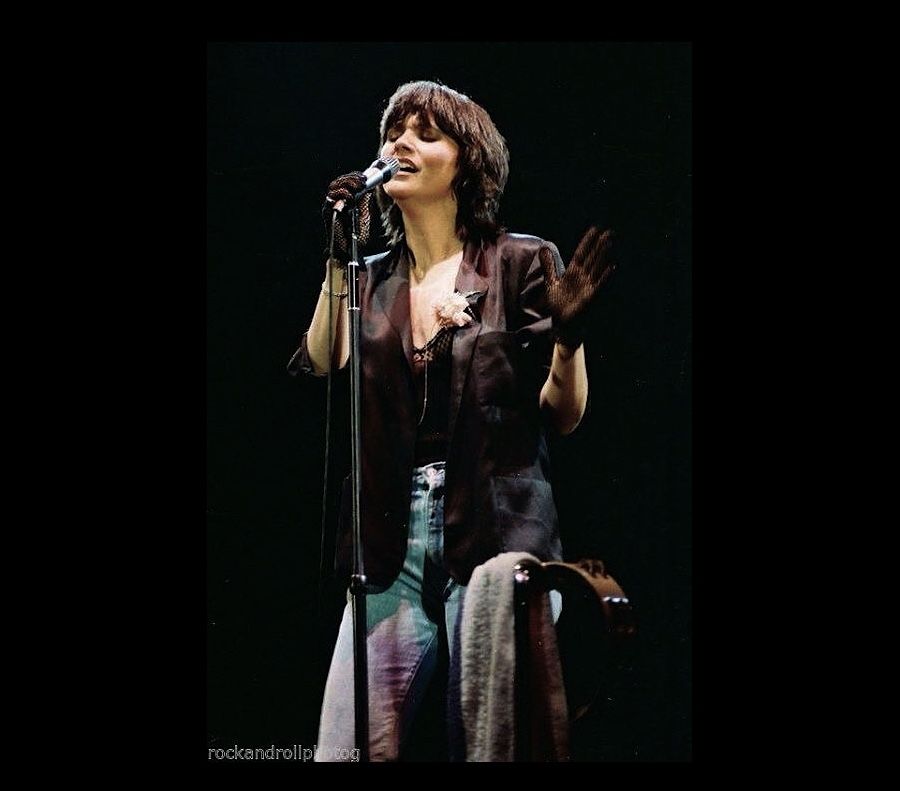
Heart Like a Wheel was inducted into the Library of Congress’s National Recording Registry in 2013. It earned four Grammy nominations, including Album of the Year. Ronstadt herself went on to become one of the best-selling artists in American music history — eleven Grammy Awards, a Rock and Roll Hall of Fame induction in 2014, the National Medal of Arts. Souther, who passed away in September 2024, left behind a body of work that shaped an era, and Glen Frey once observed that the only reason Souther wasn’t a bigger solo star was that he gave his best songs to the Eagles and Linda Ronstadt.
“Faithless Love” didn’t launch anything or define a cultural moment the way the singles from the album did. It was never the reason anyone put the record on. But it is, for many people, the reason they never take it off. It represents what Ronstadt and Souther could make together — two people who knew each other the way people only know each other when they’ve shared a house and a season and a particular kind of loss.
There is something in the song that resists resolution. It doesn’t tell you it’s going to be fine. It doesn’t give you catharsis or a lifted key or a final chorus that opens the sky. It just flows, the way the lyric says. Down in some valley where nobody goes. What stays with you after it ends is not grief, exactly, but recognition — the feeling of having been, however briefly, somewhere true. You let the silence run out and then, after a moment, you press play again.
Hey readers! Chip Holland here, and I’m a Manager of this website. My passion for writing about it only matches my passion for BBQ. Follow my blog for mouth-watering recipes, tips, and tricks for the perfect smoke, grill, and BBQ. I’m sure you won’t be disappointed!