
By the time you reach the final track of Linda Ronstadt’s Heart Like a Wheel, you have been through something. The album, released in November 1974, is not an easy ride — it moves through betrayal, longing, and the grinding work of keeping yourself together when things keep falling apart. Ronstadt tears through “You’re No Good” with the focused fury of someone who has made up her mind.
She aches her way through “When Will I Be Loved” until the question feels almost physical. And then, after all of it, after every bright light and crashing wave, she does something that only a singer with real confidence can do: she whispers.
>>> Scroll down for the video <<<
“You Can Close Your Eyes” arrives like the last exhale of the night. Written by James Taylor and first released on his 1971 album Mud Slide Slim and the Blue Horizon — where it also served as the B-side to his chart-topping “You’ve Got a Friend” — the song had already carved out its own quiet mythology before Ronstadt ever got near it.
Taylor wrote it while filming Two-Lane Blacktop in New Mexico, staying in a hotel in Tucumcari, channeling something he felt toward his then-girlfriend Joni Mitchell into a set of words so soft they barely press against the air. He has called it “a secular hymn.” That phrase is right. It has the structure of a prayer without any of the demand.
What She Did to the Song
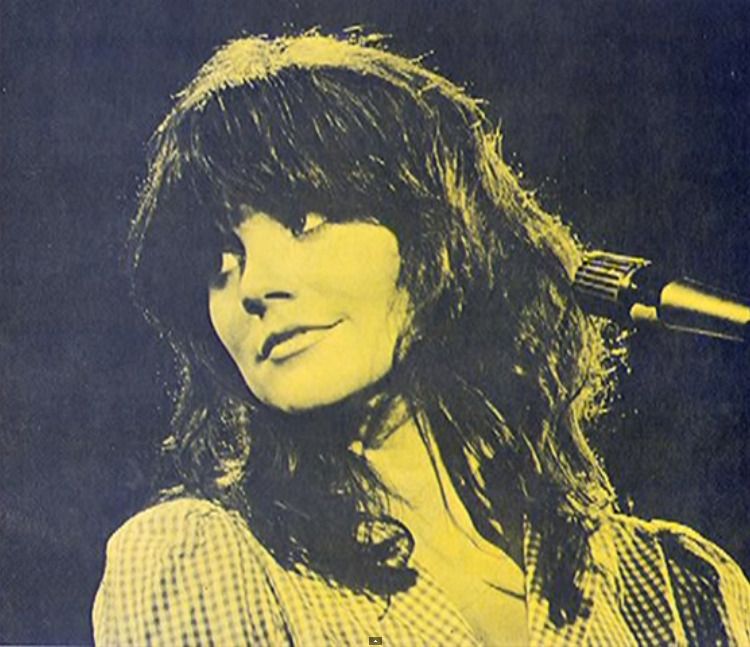
Ronstadt did not flip it or subvert it. She did not find the irony hiding inside the tenderness, because there is none. What she did was subtler and, in its way, braver: she trusted it completely. The same Peter Asher who had produced Taylor’s original also produced Heart Like a Wheel, and he is credited with reinventing the arrangement for Ronstadt — setting it in a spare, stringed country frame that sits around her voice the way a window frame sits around a view. Nothing competes. Nothing rushes. The song simply holds still and lets her fill it.
And she fills it differently than Taylor does. His version is famously inward — consoling from a place of calm, as if the ground beneath him is solid. Ronstadt sings it as though she is steadying herself at the same moment she steadies someone else. There is a faint trembling thing underneath the beauty of her delivery, not a crack exactly, more like the edge of glass held up to light.
Where Taylor sounds like he has already arrived at peace, Ronstadt sounds like she is reaching for it — and reaching with such grace that you barely notice the effort. That is the distinction that makes her version its own recording entirely. She does not cover the song so much as inhabit it from a different room in the same house.
The Courage of the Quiet
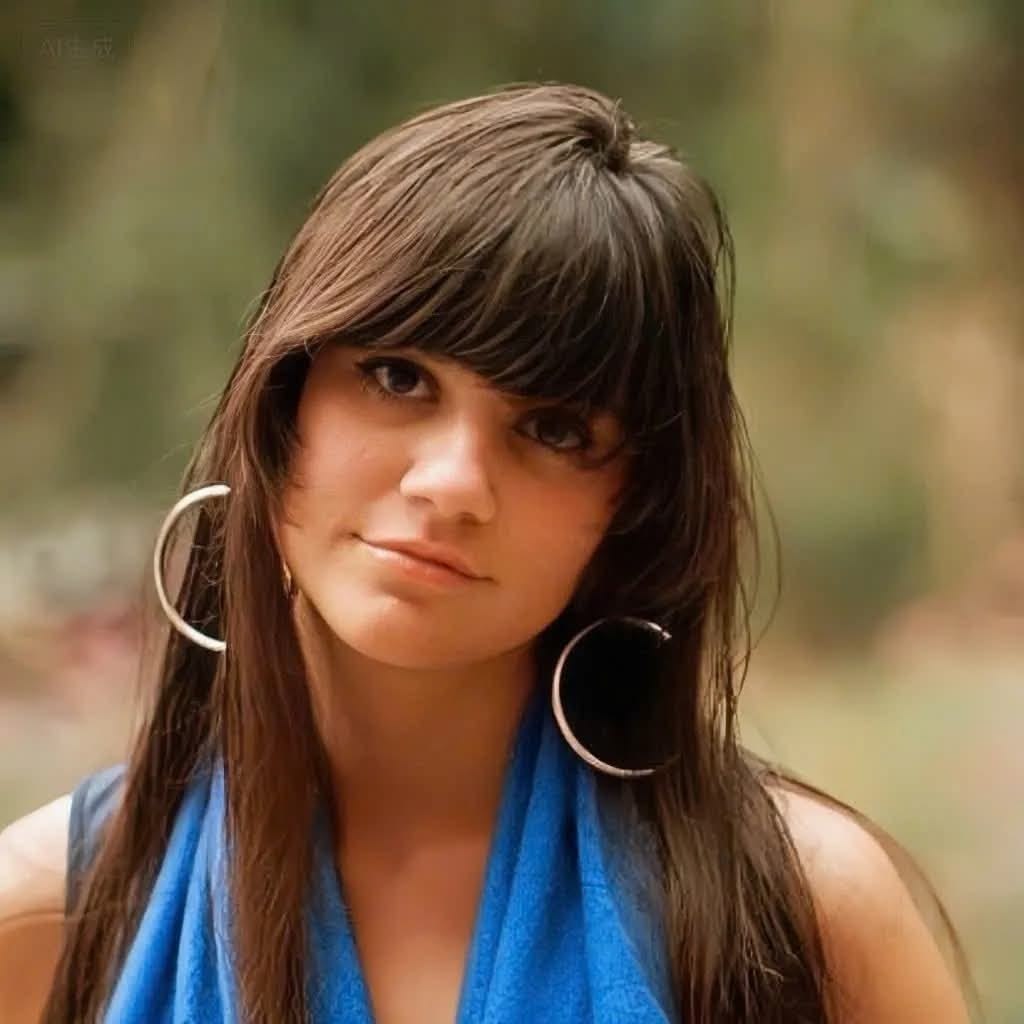
What makes the choice to close Heart Like a Wheel with this song remarkable is how deliberately small it is. This was the album that broke Ronstadt into her commercial peak — it reached number one on the Billboard 200, and its singles gave her the kind of crossover momentum that changes a career. She could have closed with something that announced her arrival. Instead she chose a lullaby. A whisper after a shout. That is not accident; it is a statement of artistic character. She was telling her audience something about what she believed music was actually for.
The song, in Ronstadt’s hands, is about the particular kind of love that does not perform itself. It does not beg. It does not explain. It simply remains — offering shelter the way a lit room offers shelter to someone walking home in the dark. That is what her voice does here: it stays. Not with drama, but with presence. The emotional charge she carries is the one anyone recognizes who has ever tried to comfort another person while quietly carrying their own weight — which is to say, nearly everyone.
That is why the recording lingers the way it does. Heart Like a Wheel became Ronstadt’s defining album, a landmark in the canyon between country and rock that she helped map throughout the seventies. But decades later, it’s often this closing track — the one with no single release, no chart peak of its own, no moment of pyrotechnics — that people find themselves returning to.
Not because it is the most impressive thing on the record. Because it is the most true. The album’s noise fades, and there she is, at the edge of your attention, asking nothing, offering everything. A hand on the shoulder in a quiet room. The light left on.

Hey readers! Chip Holland here, and I’m a Manager of this website. My passion for writing about it only matches my passion for BBQ. Follow my blog for mouth-watering recipes, tips, and tricks for the perfect smoke, grill, and BBQ. I’m sure you won’t be disappointed!