
Linda Ronstadt was twenty-three years old and quietly frightened. It was 1969, and she had already released her first solo album, Hand Sown… Home Grown, to no fanfare whatsoever. She had grown up in Tucson, moved to Los Angeles at eighteen, and ridden a Stone Poneys hit called “Different Drum” as far as it could take her — not far enough. “I felt I was floundering as a singer,” she wrote years later in her memoir Simple Dreams. “My style hadn’t jelled.”
Then, one night in New York, her friend and fellow musician David Bromberg pulled her away from the Bitter End, where she’d been opening for Jerry Jeff Walker, and walked her around the corner to a small club called the Cafe Au Go-Go. A guitarist named Gary White was playing backup behind a singer-songwriter, and Bromberg had it in his head that White had written something that would be right for her. Ronstadt was prepared, she admitted, to be disappointed.
>>> Scroll down for the video <<<
She wasn’t. Backstage after the show, White played her a song he’d written about a woman who had given everything to a love that would never return the gesture. The woman in the song isn’t broken by this. She’s simply resolved to it — the way someone late at night, alone in a kitchen, might decide to stop waiting for a particular phone to ring. “Love will abide,” the lyric begins. Not love will conquer. Not love will win. Just: abide. Remain. Stay in the room after the other person has gone.
Ten-Thirty in the Morning, and Already Aching
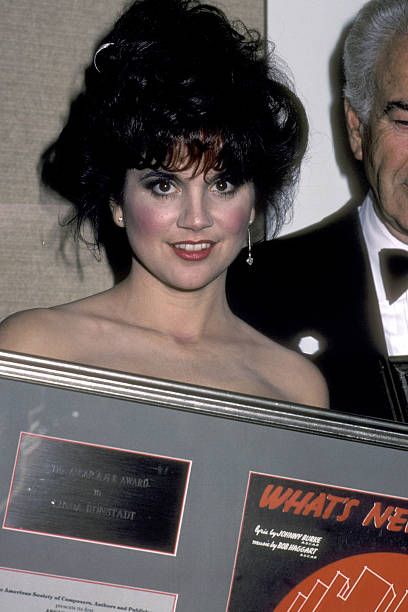
Ronstadt recorded “Long Long Time” for her second album, Silk Purse, released in 1970. She was in the studio at ten-thirty in the morning, and she has never been fully at peace with what she did there. “I think my phrasing was horrible,” she told Esquire in 1985. “I think I kind of butchered it.” She was wrong — spectacularly, stubbornly wrong — but the self-criticism tells you something about the nature of the performance. It was not controlled. It was not crafted. It happened to her.
Because what Ronstadt did to that song was less a vocal interpretation than a physical event. The session musicians — jaded professionals who had heard everything — found themselves drawn in the moment the steel guitar and fiddle began to move. Weldon Myrick, one of Nashville’s most seasoned players, went quiet in a particular way. Something in those opening notes opened a door in the room. Ronstadt walked through it and didn’t look back.
The record peaked at number 25 on the Billboard Hot 100, spending twelve weeks on the chart. It was her first single to chart at all. A Grammy nomination for Best Contemporary Female Vocal Performance followed in 1971. The nomination was well deserved, but the chart position undersells what the song actually was: not just a hit, but a kind of proof of life. It proved that this young woman from Arizona, who had spent years being told she was talented without being given the tools to show it, could hold an entire emotional world inside a single recording.
A Love That the World Kept Finding
For decades, “Long Long Time” lived the quiet life of a song people returned to privately. It was not the kind of thing you’d hear at a party or a stadium. It belonged to late nights and long distances, to the particular ache of loving someone who does not quite love you back the same way, or in the same quantity, or at the same time.
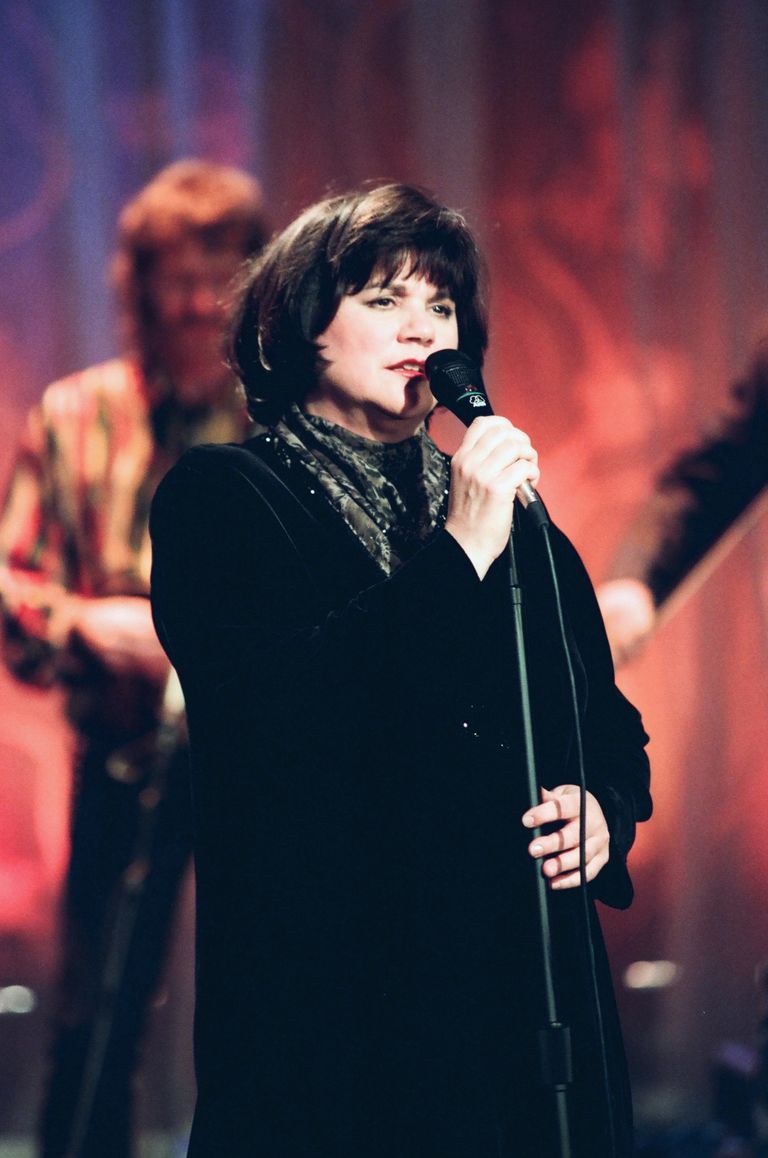
Then, in January 2023, everything changed. An HBO series called The Last of Us — a post-apocalyptic drama set in a world where almost everything beautiful had been destroyed — devoted its third episode to a love story between two survivors named Bill and Frank. At the center of that story: “Long Long Time.” Frank finds a book of Linda Ronstadt songs at a piano. Bill takes over and begins to sing. The song becomes a bridge between them, and then a life lived together compressed into one hour of television, and then the saddest and most complete ending two characters on television had been given in years.
Spotify reported that streams of the song increased by 4,900 percent overnight. More than fifty years after it first charted, “Long Long Time” reached number one on the Rock Digital Song Sales ranking. An entirely new generation heard Ronstadt’s voice for the first time, filling a car on a deserted road, moving the curtains in an open window.
Craig Mazin, the episode’s writer and co-creator of the show, had searched for weeks for a song that could carry the weight of what he needed. He described what he was looking for to a friend: something about yearning and aching, about loving someone and never quite having them, about making peace with the fact that you will always be a little alone. Two seconds later came the reply. Linda Ronstadt. “Long Long Time.” There it is.
What the Song Always Knew
She told an interviewer that she can still sing in her mind. She described it like a hummingbird — the song moving through her, whole and intact, in a place no disease can reach.
This is what “Long Long Time” has always been about, if you listen past its surface. It is not, finally, about a man who didn’t love a woman back. It is about the decision to carry something precious inside you even when the world gives you every reason to put it down. Love will abide. The voice may go silent. The song remains.

Hey readers! Chip Holland here, and I’m a Manager of this website. My passion for writing about it only matches my passion for BBQ. Follow my blog for mouth-watering recipes, tips, and tricks for the perfect smoke, grill, and BBQ. I’m sure you won’t be disappointed!