
By 1973, Linda Ronstadt was already on her fourth solo album and still hadn’t broken through in the way her talent demanded. Don’t Cry Now, released on Asylum Records on October 1, 1973, was her first record on the new label, her first with producer Peter Asher, and the album that would begin to reshape her reputation.
It peaked at No. 45 on the Billboard 200 — not a triumph, not a disaster — and contained, tucked near the front, a new recording of a song she had first cut four years earlier on her debut, Hand Sown… Home Grown. The song was “Silver Threads and Golden Needles,” written by Dick Reynolds and Jack Rhodes, and Ronstadt had been singing it since her Stone Poneys days, carrying it through clubs and tour dates the way you carry something you know belongs to you.
>>> Scroll down for the video <<<
For Don’t Cry Now, she recorded it differently. With more players, more electricity, more certainty. Released as a single in early 1974, it reached No. 20 on the Billboard country chart and No. 67 on the Hot 100 — her first genuine country chart hit, and the clearest early signal of what Heart Like a Wheel would confirm later that same year.
What the Song Actually Says
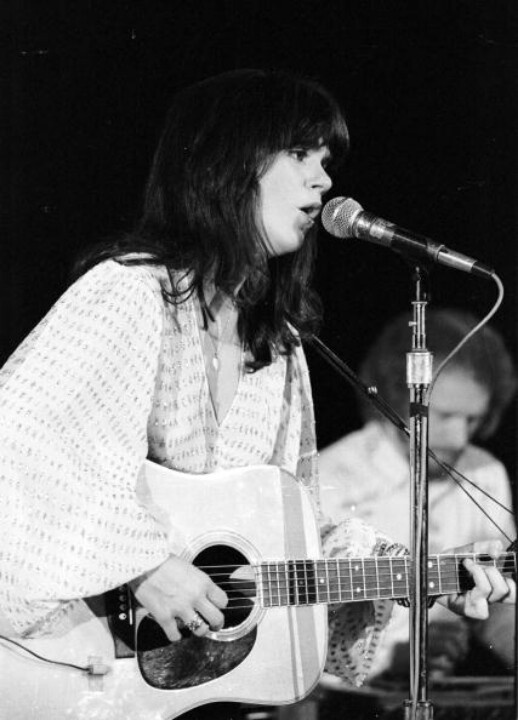
There is a trap in the title. “Silver threads and golden needles” sounds like a love song dressed in soft domestic imagery — something warm, something stitched with care. But the lyric dismantles that impression in its very first breath. The song is not about love lost. It is about love offered on insulting terms.
A woman is being shown what money can buy: a fine house, expensive clothes, the trappings of a life arranged around surfaces. And she refuses. Not with weeping. Not with bargaining. She refuses with the steady, clear-eyed certainty of someone who has looked at the deal, understood exactly what it is worth, and set it back down on the table.
That is the emotional territory the song occupies: not heartbreak but clarity. Not the helplessness of someone left behind but the authority of someone who chooses to walk. The title itself becomes almost sarcastic by the time you’ve heard the whole thing — silver threads and golden needles, the glittering instruments of a life that stitches wealth over the wound instead of healing it. The woman in this song sees through that. She has been hurt, yes. But she is not confused.
This is important, because it tells you exactly what Ronstadt had to find in herself to sing it correctly.
The Voice That Already Knew
Ronstadt did not approach “Silver Threads and Golden Needles” as a piece of vintage Americana to be polished and displayed. She approached it as something she understood personally — as a statement she needed to make with her body as much as her voice. What you hear on the Don’t Cry Now recording is a performer who has located the emotional center of the lyric and planted herself there without flinching.
There is a forward lean to the whole performance, a momentum that does not let the song settle into nostalgia. The band around her — a gathering of Southern California musicians that included Glenn Frey on electric guitar and pedal steel from the legendary Sneaky Pete Kleinow — gives the track a country-rock edge that was still finding its shape as a genre in 1973. But Ronstadt is never buried by it. Her voice sits above the arrangement the way a hawk rides a warm current: without effort, without strain, controlling the altitude entirely.
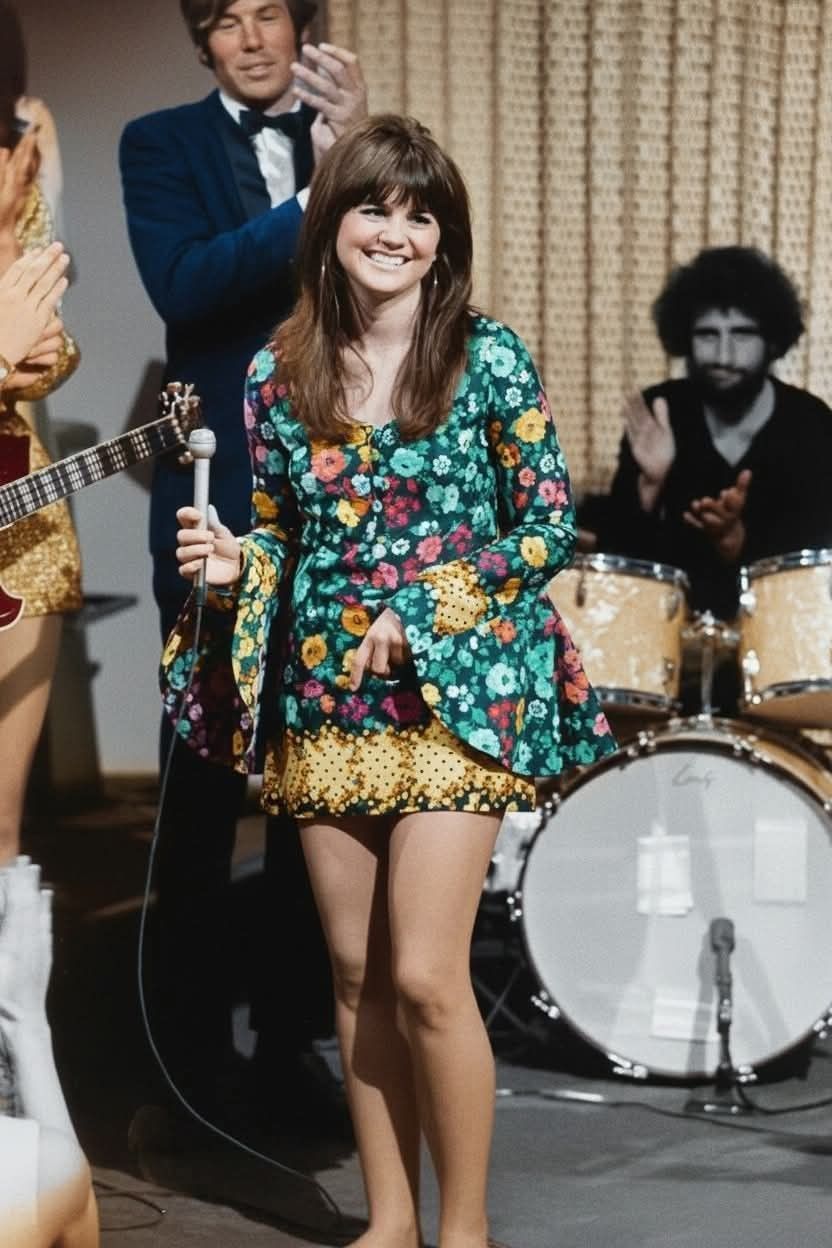
What she does with the defiant passages is worth paying close attention to. When the lyric draws its line — when the song says, plainly, that no amount of wealth can earn what it’s trying to buy — Ronstadt does not harden her voice into something brittle or self-righteous. She keeps the warmth in it. That is the harder and more interesting choice.
A singer who wanted to underline the anger would harden. Ronstadt keeps the door open just enough to show what was at stake — that she could have been loved properly, that she deserved to be — and then she closes it. The sadness and the pride live in the same note. That tension, held and released across the length of the song, is what makes the performance feel so true.
Rolling Stone critic Stephen Holden, writing about Don’t Cry Now, described her voice as carrying “a throb that hurts and soothes at the same time.” There is no better description of what she does with this particular song.
The Threshold It Stands On
What makes this recording matter beyond its own borders is the moment in Ronstadt’s story where it falls. She was twenty-seven years old. She had been making records since 1967, first with the Stone Poneys and then alone, and the commercial breakthrough had not come. Don’t Cry Now was the bridge album — not yet the arrival, but the place where she was learning to run.
“Silver Threads and Golden Needles,” as a single, was one of the first pieces of evidence that the audience was ready to meet her on her terms. It charted country without abandoning rock. It was traditional without being cautious. It showed — to radio programmers, to audiences, to Ronstadt herself — that she could carry a song from country’s past into 1974 and make it feel like something happening right now.

Hey readers! Chip Holland here, and I’m a Manager of this website. My passion for writing about it only matches my passion for BBQ. Follow my blog for mouth-watering recipes, tips, and tricks for the perfect smoke, grill, and BBQ. I’m sure you won’t be disappointed!