
There are songs that belong to their moment, and there are songs that keep escaping into new ones. “When Will I Be Loved” is the second kind. Phil Everly wrote it in 1960, and the Everly Brothers put it on the B-side of “When Will I Be Loved” — a song so confident in its own yearning that it barely needed promotion. It reached number 8 on the Billboard Hot 100, and then it receded, the way B-sides do, into the half-remembered corners of the American songbook.
>>> Scroll down for the video <<<
Fourteen years later, Linda Ronstadt recorded it for her 1974 album Heart Like a Wheel, and the song did something unexpected: it went to number 1. Two versions. Two completely different emotional temperatures. And a question the song never stopped asking: whose version do you go back to?
The Everly Brothers’ original is an act of devotion. Don and Phil sing it in that telepathic harmony that made them sound like one person dreaming in two voices — high, clean, achingly sweet. The complaint in the lyric (“I’ve been cheated, been mistreated”) doesn’t feel like anger. It feels like wonder, the way a very young person wonders at the unfairness of love.
There’s a gentleness to the original that makes the hurt feel almost beautiful. It’s the sound of innocence that knows something is wrong but hasn’t yet decided to be hardened by it.
Then Ronstadt recorded it, and the innocence was gone — replaced by something sharper, more knowing, and more alive.
What Ronstadt Heard in It
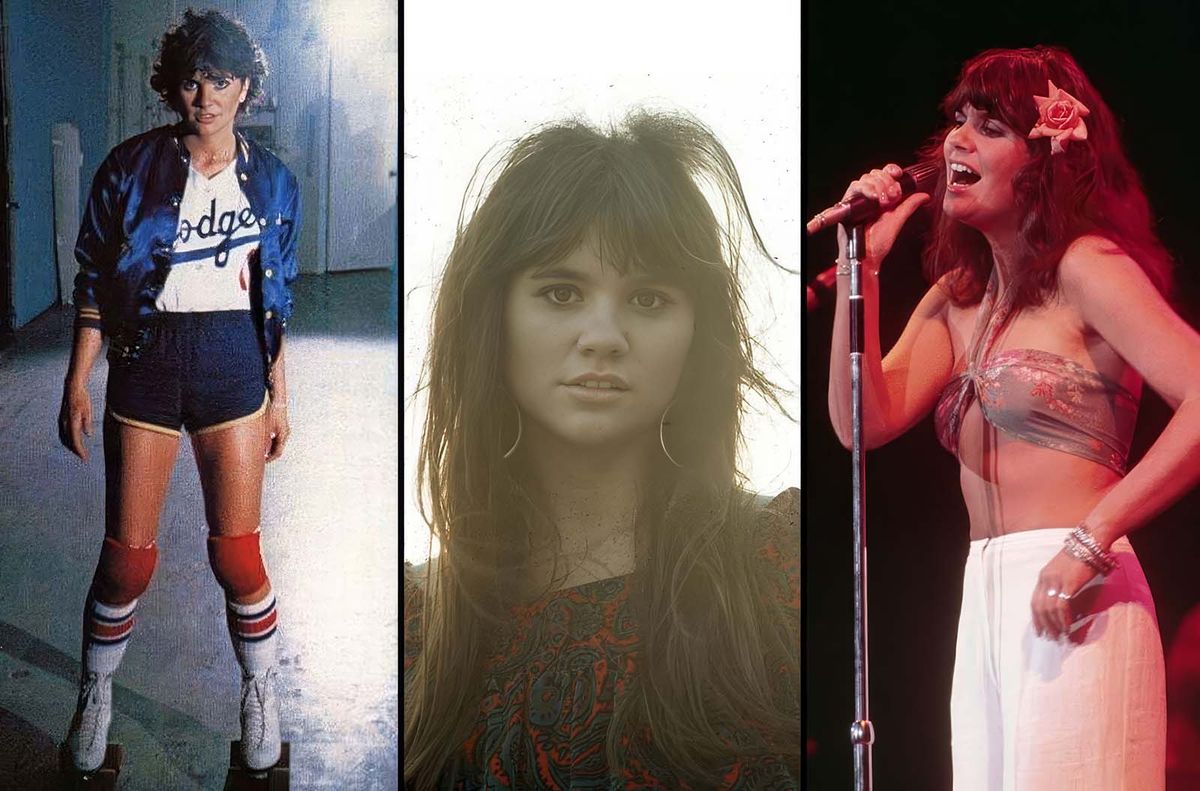
Heart Like a Wheel was the record that changed everything for Ronstadt. Produced by Peter Asher, it went to number 1 on the Billboard 200, won her a Grammy, and announced that she was not just a country-rock singer but something harder to categorize — a woman who could take any song from any era and make it feel like it had been written specifically about her current state of mind. “When Will I Be Loved” was the lead single, and it opens with a confidence that the original never had.
What Ronstadt did was take a lament and make it into something closer to a demand. The song begins the same way — the litany of betrayal, the cheating, the mistreating — but her voice doesn’t wonder. It accumulates. There’s a quality in how she carries the melody, something that sits just slightly above resignation and just slightly below fury, that makes the question at the center of the song feel genuinely unanswered, genuinely urgent. She isn’t performing hurt. She’s reporting it, the way someone reports a fact they’ve had to learn too many times.
The backup singers — a close, sisterly trio — add a kind of communal weight to the chorus that the Everlys’ duet never attempted. Where their version felt private, hers feels shared. Like a conversation between women who all recognize this exact feeling and have been waiting for someone to say it plainly.
Phil Everly himself reportedly admired what Ronstadt did with his song. That matters more than any chart position. A songwriter hearing his own lyric given a new life — not corrected, not improved, but opened — is a particular kind of validation that has nothing to do with sales.
Two Songs, One Question
The easy way to settle this debate is to call Ronstadt’s version the superior recording and be done with it. It charted higher. It arrived at a cultural moment when women’s voices in rock were beginning to be taken seriously on their own terms. It is, by almost any measure, a more fully realized record.
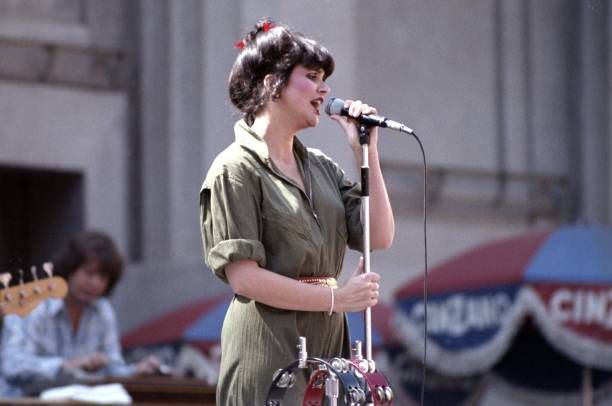
But that would be leaving something out.
The Everly Brothers’ version does something Ronstadt’s cannot: it sounds like the first time anyone ever felt this way. The naivety is not a weakness — it’s the whole emotional argument. Some heartbreak sounds like philosophy. Some sounds like the morning it happens. The Everlys caught the morning.
What Ronstadt caught was the afternoon, several years later, when you’ve stopped being surprised and started asking the question with real weight behind it. “When will I be loved” is a different question when you’re twenty than when you’re twenty-seven and you already know the answer might not come. Ronstadt was twenty-eight when she recorded it. That number is in every note.
So here is where the essay arrives, not quite at a verdict: the Everly Brothers wrote a song about hope wearing the costume of complaint. Linda Ronstadt heard the complaint underneath the hope, and chose to honor that instead. Neither interpretation is wrong. Together, they describe the full arc of what that question actually is — the innocent version and the wise version, the one that asks because it doesn’t know, and the one that asks because it does.
Some songs are large enough to hold two true versions of themselves. This one always was.

Hey readers! Chip Holland here, and I’m a Manager of this website. My passion for writing about it only matches my passion for BBQ. Follow my blog for mouth-watering recipes, tips, and tricks for the perfect smoke, grill, and BBQ. I’m sure you won’t be disappointed!